More than 400 bird species have been recorded in this corner of southern France, drawn by the vast wetlands where the Rhône River meets the Mediterranean. Satellite tracking and long-term ornithological surveys confirm it: this delta is one of Europe’s most critical stopover points for migratory birds. Whether you're a seasoned birder or simply curious about nature, the Camargue offers front-row seats to a rare ecological spectacle - and knowing where to go makes all the difference.
The most iconic birdwatching locations for your journey
Pont de Gau Ornithological Park
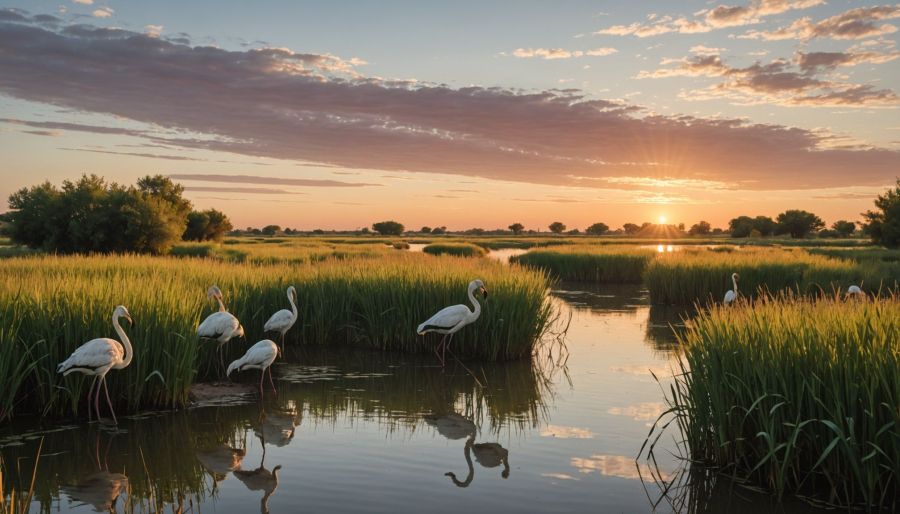
One of the most accessible and rewarding sites for birdwatching, the Pont de Gau Ornithological Park offers a network of well-maintained wooden walkways stretching across marshy lagoons. It’s a prime spot to observepink flamingos in large numbers, especially during the warmer months when they gather to feed and display. The shallow waters attract other wading birds too, including avocets, black-winged stilts, and various herons. Observation hides are strategically placed, allowing quiet viewing without disturbing the wildlife.
La Capelière nature reserve
Managed by LPO (Ligue pour la Protection des Oiseaux), La Capelière is a quieter, more intimate reserve compared to Pont de Gau. Its mosaic of reed beds, open water, and damp meadows supports a rich diversity of waterfowl year-round. You’ll often spot great egrets, white storks, and even the elusive purple heron slipping through the reeds. The reserve features several elevated hides and a circular trail ideal for slow, mindful observation - perfect for photographers and families alike.
- Pont de Gau - Best for flamingo sightings and easy access
- La Capelière - Ideal for educational walks and bird photography
- Marais du Vigueirat - A living museum with wilder, less-touristed trails
- Étang de Fangassier - Key nesting ground for colonial waterbirds
- Coussouls de Crau - Unique dry steppe habitat for rare land birds
For an immersive experience, choosing a nature-oriented camping in Camargues serves as the perfect base camp for early morning birdwatching sessions. Positioned just 15 km from Arles and surrounded by rice fields and open marshes, such accommodations offer direct access to quiet roads and trails before the day heats up - and before the crowds arrive.
Seasonal timing for ornithology enthusiasts
Spring birdwatching highlights
Spring transforms the Camargue into a dynamic stage for avian activity. From April through early June, migratory birds return in force, many arriving from sub-Saharan Africa to breed. This is when the region truly earns its reputation as a birding paradise. The air fills with the calls of reed warblers, avocets, and black-winged stilts setting up territories. Flamingos begin their courtship dances - a surreal sight against the pale waters.
It’s also the season when rare species are more likely to appear. Birders report sightings of collared pratincoles and spur-winged plovers nesting in the shallows. The warmer days bring out insects, which in turn attract flycatchers and bee-eaters. Early mornings are golden - literally and figuratively - with soft light enhancing colors and behaviors. This is when patience pays off, and a pair of binoculars becomes your most valuable companion.
Exploring the diverse wetland habitats
The salt pans and lagoons
The saline lagoons, or “étangs,” are engineered but ecologically rich. The fluctuating salinity levels create a unique food chain, starting with brine shrimp - the very reason flamingos thrive here. These shallow, reflective waters attract terns, avocets, and black-winged stilts, all adapted to forage in salty environments. The contrast between the white salt crust and blue water makes for striking visuals - and excellent conditions for spotting birds in motion.
Freshwater marshes and reed beds
Deeper within the delta, freshwater marshes and reed beds offer shelter to more secretive species. The dense vegetation hides the great bittern, whose booming call at dusk is one of the wetlands’ most mysterious sounds. Warblers like the Cetti’s warbler and reed warbler flit through the reeds, often heard but rarely seen. These zones require a slower pace and a bit more patience - but they reward with moments of pure discovery.
The Coussouls stony steppes
A short drive from the marshes, the Coussouls de Crau presents a stark contrast: a dry, stony steppe with sparse vegetation. This habitat supports species rarely seen elsewhere in France, such as the little bustard and the pin-tailed sandgrouse. Conservation efforts here focus on maintaining open terrain, as overgrowth threatens these ground-nesting birds. Early morning visits increase your chances of spotting them before they retreat from the heat.
Essential gear and field tips for your adventure
Optical equipment and field guides
A good pair of binoculars is essential. For open marshes, a magnification of 8x42 strikes the right balance between field of view and detail. If you plan to photograph birds, a spotting scope with a digiscoping adapter can make a big difference. Don’t overlook field guides - but consider digital options too. Apps with offline access and sound recognition are increasingly popular among birders.
Ethical wildlife observation practices
Respect is key. Staying on marked trails protects fragile habitats and avoids disturbing nesting birds. Many reserves have strict rules about noise and proximity - and for good reason. The Camargue is a protected area, and every visitor plays a role in preserving it. Avoid using playback calls, and never attempt to feed the wildlife. Leave no trace isn’t just a slogan here - it’s how we keep this ecosystem thriving.
| Site Type | Accessibility | Target Species | Recommended Duration |
|---|---|---|---|
| Family-friendly parks | Easy, paved paths, hides | Flamingos, storks, herons | 2-3 hours |
| Wild marshlands | Moderate, gravel trails | Avocets, warblers, bitterns | Half-day |
| Stony steppes | Basic, uneven terrain | Little bustard, sandgrouse | Half-day |
Typical Questions
Is it possible to see the birds without expensive specialized equipment?
Absolutely. Many reserves, like Pont de Gau, bring you within meters of birds like flamingos and herons thanks to well-placed observation points. A simple pair of binoculars is often enough to enjoy the spectacle - no need for high-end gear to have a memorable experience.
What should I do if I want to photograph birds during the peak heat of summer?
Plan around the light and temperature. Early mornings offer soft lighting and active birds. Use shaded hides when available, and wear a hat and sunscreen. If you're using a telephoto lens, consider a lens hood to reduce glare and protect your equipment from the sun.
How are digital apps changing the way people identify species in the field?
Field apps now use AI to recognize bird calls and visual features from photos, making identification faster and more accessible. While traditional guides remain valuable, these tools help beginners and experts alike log sightings and contribute to citizen science projects.
